Paris Fashion Week Report
A review of the shows that ARCHIVE.pdf attended this past women's week, from Junya Watanabe's excellent display of craft to Dries Van Noten's opulent coming-of-age collection.

By Nash Hill
The breadth of Women’s week in Paris is staggering. Across the nine days, just on the official calendar, there are 67 shows, with several more presentations and off-schedule showings. When you are there, it is difficult to look at any other shows besides the ones that you are attending. You can feel a vibe toward certain shows, the big surprises or disasters, based on eavesdropping and the brief conversations dotting the daily schedule. At least for myself, a green participant to the whole ordeal, attending a dozen or so shows, and visiting showrooms and presentations— a far more useful and meaningful exercise than simply swimming in the spectacle of these runways— feels plenty enough.
To the last point, I missed the Zomer runway show— there is an entire tangent related to my Parisian lodgings, and lack of any internet or cell reception, but best saved for another channel— and was able to go to re-sees later in the week. Zomer is a young brand, launched in 2023, that has found quick success. I’d not paid much attention to it over the years, but being able to spend time with the clothes, having conversation with the team, even trying some things on, made me an instant fan. The clothes are playful and quirky, not because of any gimmicky tricks, but through smart design and anticipation of the different ways people enjoy wearing clothes. These showrooms offer a dimension of physical engagement that runway shows simply cannot provide.
But, onto the collections, in no particular order:
Dries Van Noten
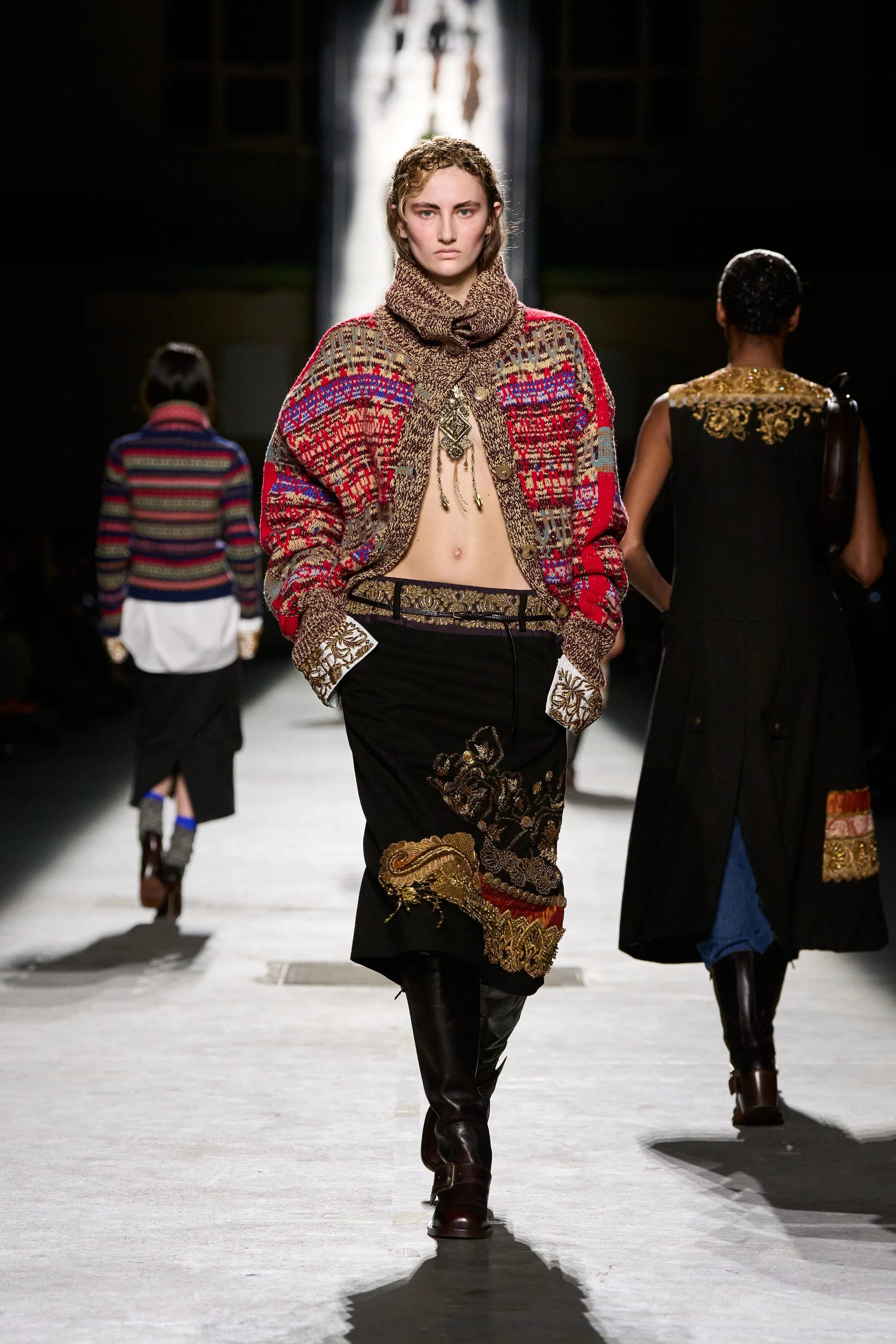
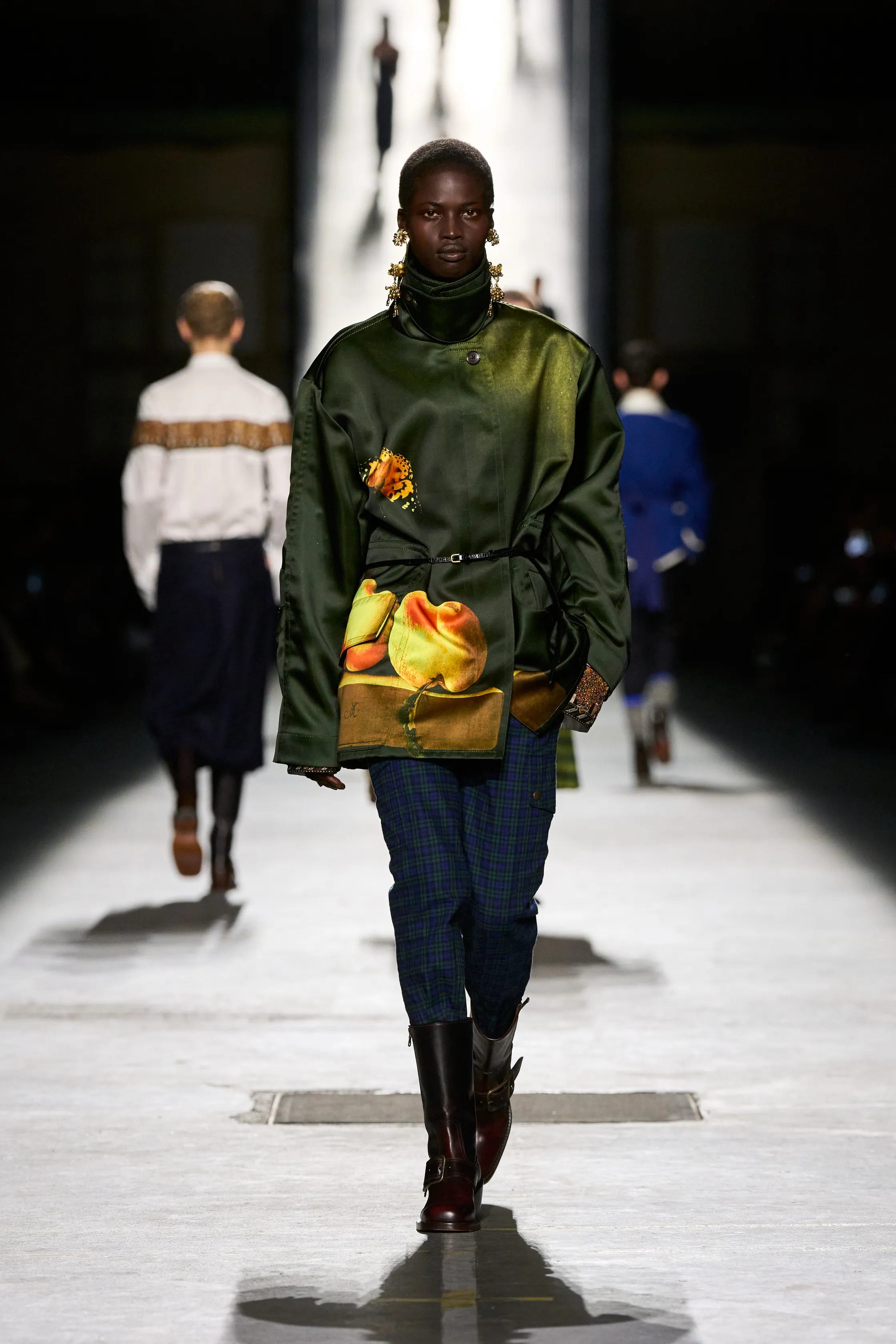
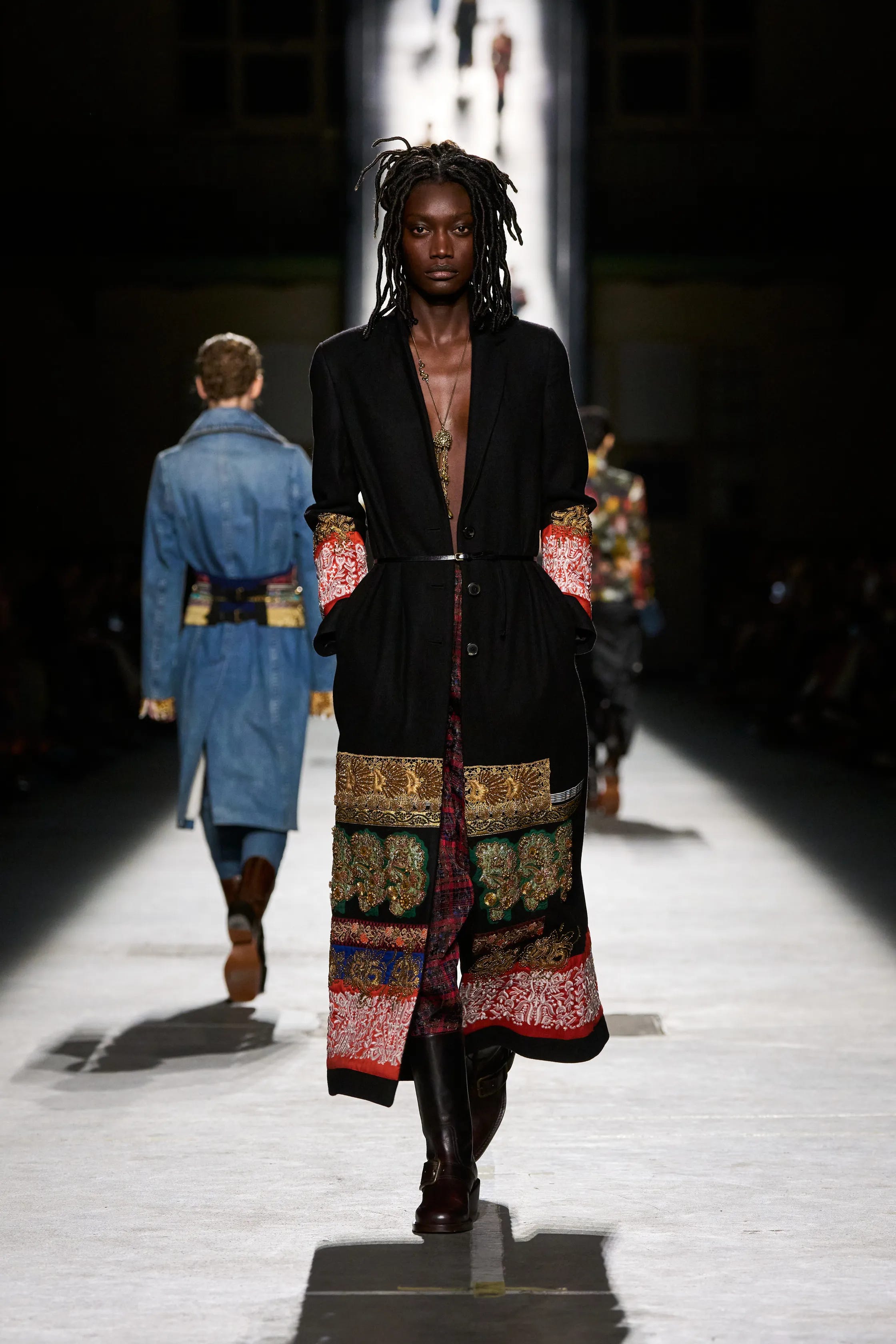
It makes sense to start conversation about this brand with Julian Klausner’s success in following its founder, but a few seasons in it and it’s no longer a matter of just passing the test: Dries Van Noten has shown two of the best collections across both men’s and women’s this season. The richness and opulence and pure appreciation for the act of adornment running through the creation of these clothes is sublime. While Dries has always been known for its craft and handiwork, this new era feels like it’s pushing this practice to the limit of excess. In many ways, it feels like a new lens through which to view the balancing act of good and bad taste, or high culture and low culture, louche bohemianism versus regal austerity, these various tension points that Dries himself excelled in. The house under Julian is embracing indulgence in a totally serious way, and the quality and attention to detail of these clothes is remarkable.
Klausner’s work is tangibly more youthful than Dries himself, especially as he explores these “coming of age” years in recent seasons. And admittedly, I found the first couple collections to be too nakedly boyish and girlish, but this has been remedied.
The fantastic ’90s style knitwear from the men’s collection perfectly migrated to women’s. The painterly prints of peaches laid on skirts were the most vivid and pure images that I’ve seen on garments; I’m not sure how they achieved that level of detail. The digital prints were a fun tongue-in-cheek counter to this hyperrealism.
You could spill endless ink describing the intricacies of each garment. After seeing these pieces up close in the showroom, it is incredible to have such care given to ready-to-wear. I visited the showroom of a brand that is priced a bit lower— still in the contemporary luxury range— and the difference in quality is criminal. It’s clear that Julian Klausner isn’t concerned with churning out products. These are clothes that demand special attention.
Dries Van Noten is not only stable under a new authoring hand— it’s exciting, and it carries a sensibility that I don’t think you can find anywhere else right now in fashion.
Comme des Garçons
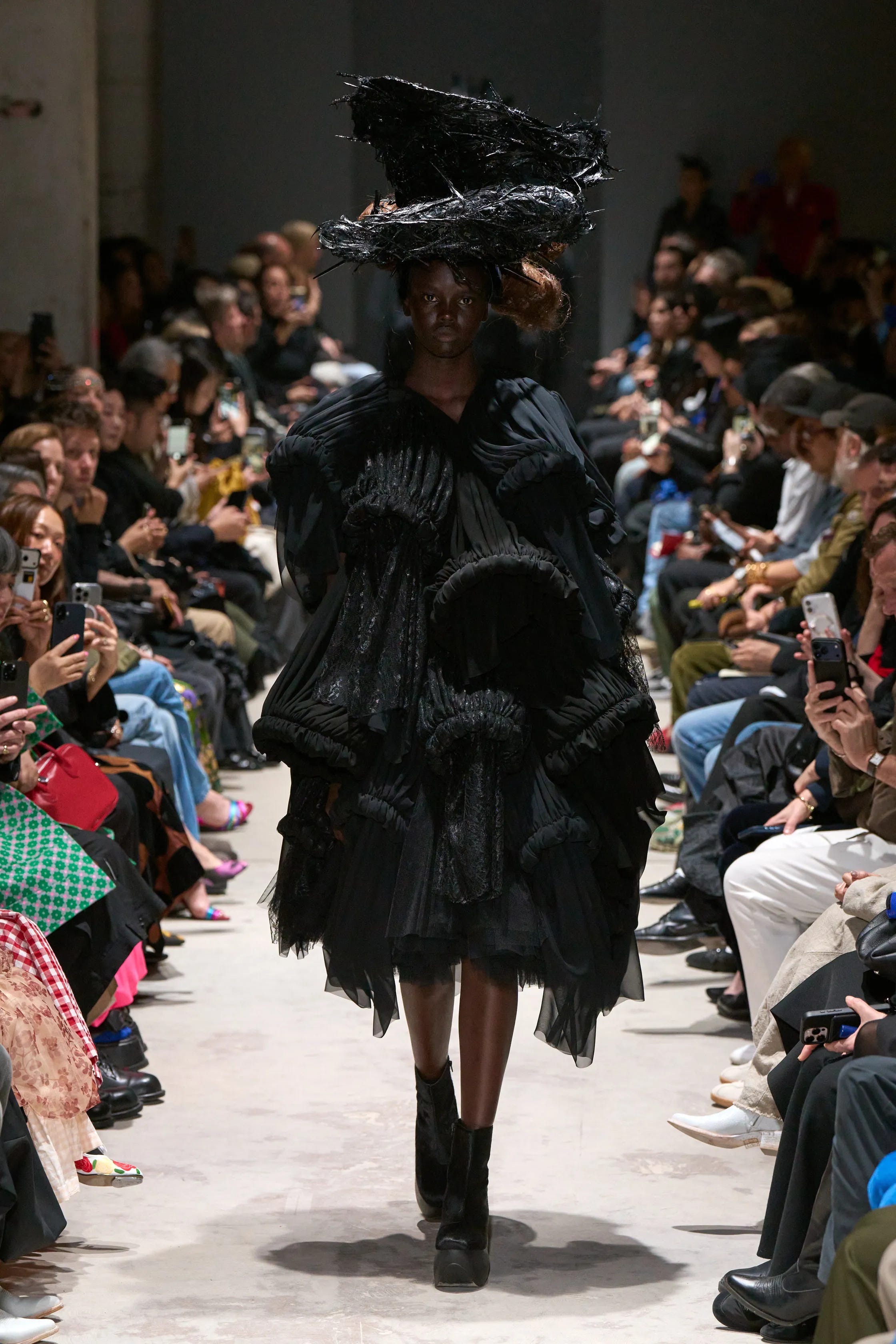
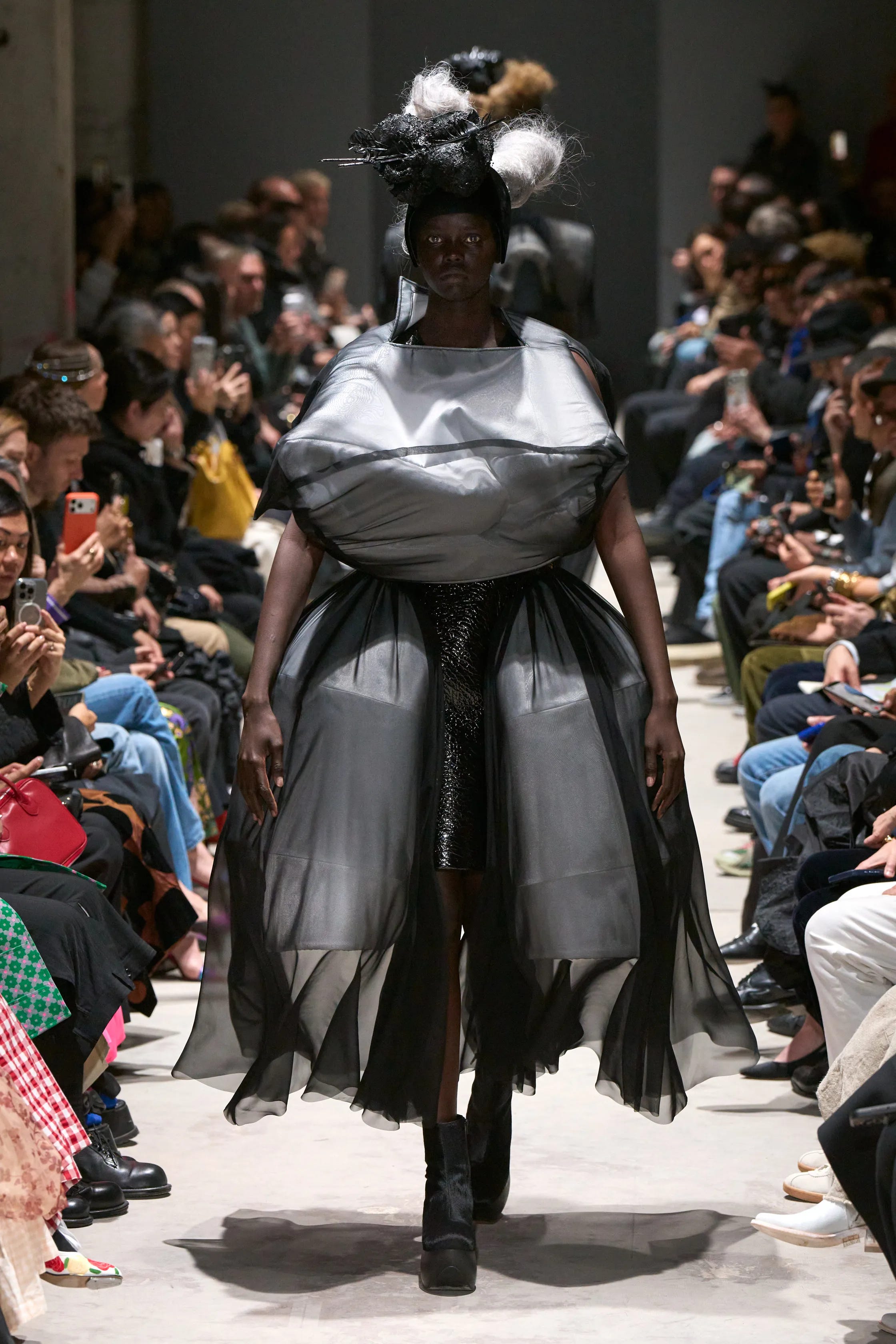
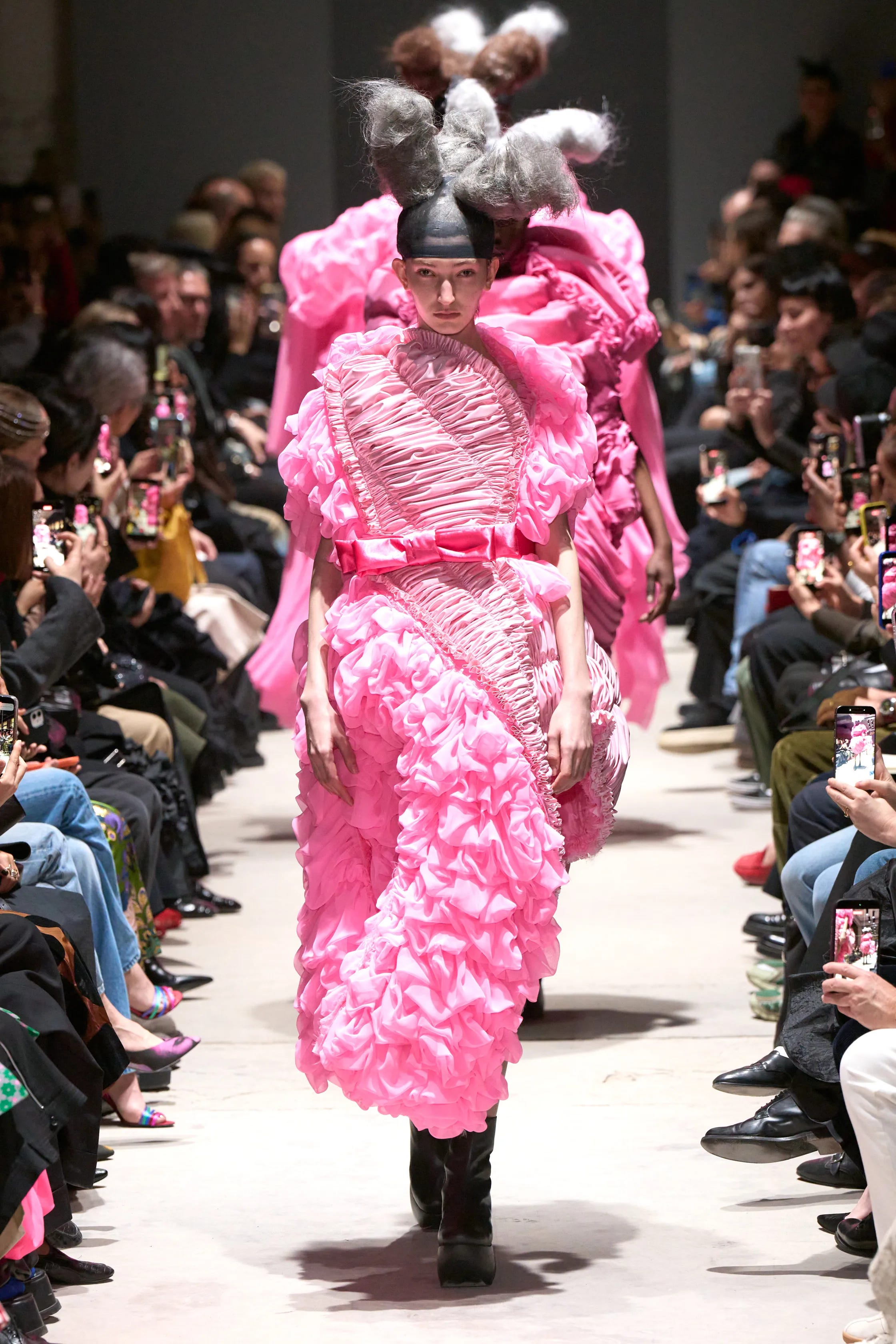
The brief notes given by Kawakubo:
“In the end, there is black. Ultimately Black. I have come to realize that, after all, black is the color for me. It’s just the strongest, the best for creation, and the color that embodies the rebellious spirit. And has the biggest meaning: The Universe and the Black Hole.”
Several ‘looks’ seemed bent inward, with different fabric types warped and clustered across the body— both delicate and stiff, twisted, knotted, ruched and gathered, layered transparently over rounded, bulbous forms emerging from the waist and bust. There was a material complexity at play here, more pointed than recent collections, emphasized by the monochromatic variances.
Were these sculptures bubbling, gurgling clusters of raw energy that all at once implode and expand into something unimaginably solid and real? Was the pink parade the culmination of chaos resulting in the beauty of creation and life itself, a celebration of the sheer impossibility of this precious thing that we’ve been granted by a supposedly merciless, indifferent and indefinable expanse?
Who knows. And I’m not sure anyone can totally know or understand what these collections communicate. I suppose that’s the point of these shows.
