Tea for Two: An Interview with Our Legacy's Cristopher Nying
A conversation about the brand's S/S '27 collection.

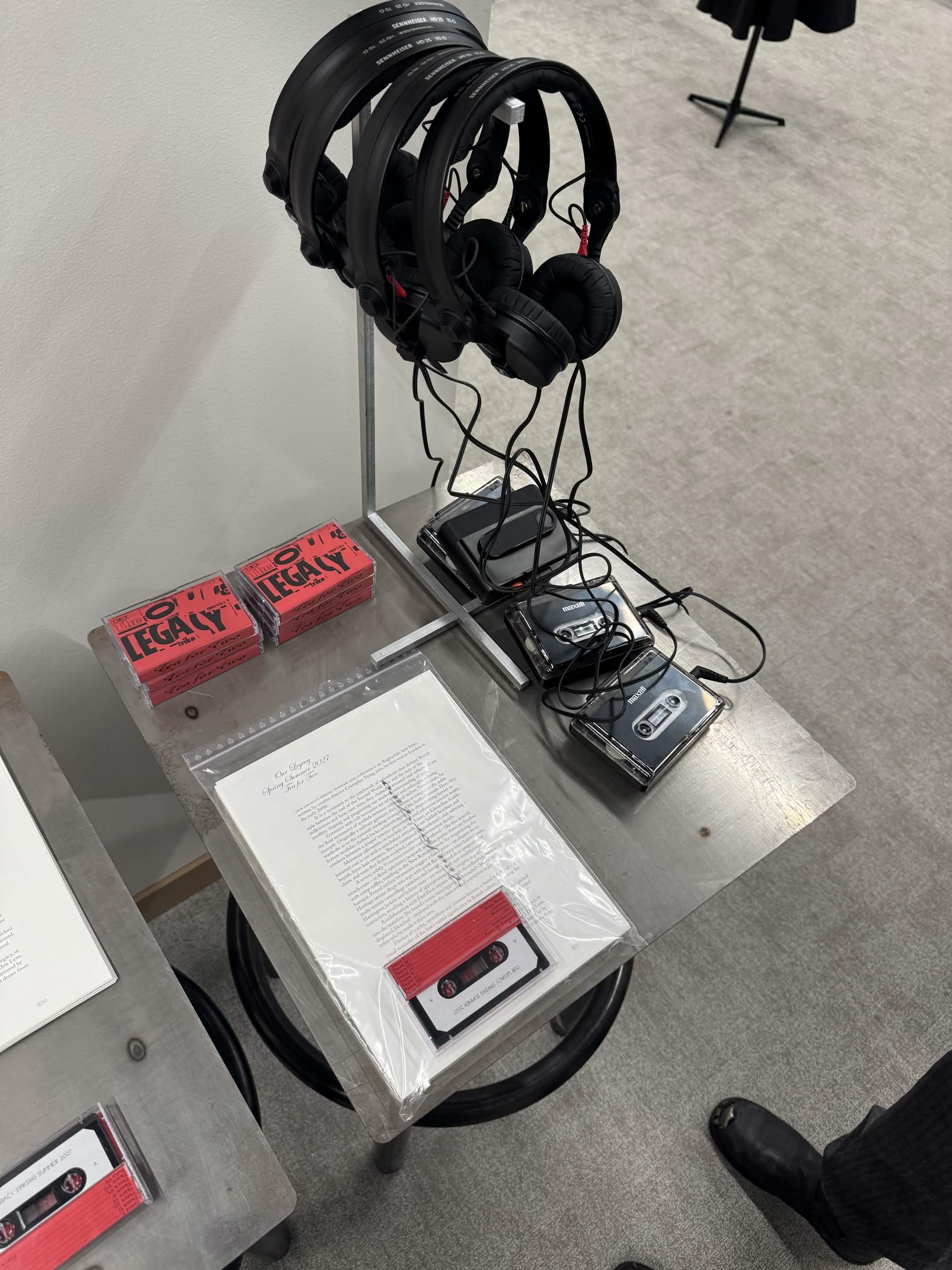
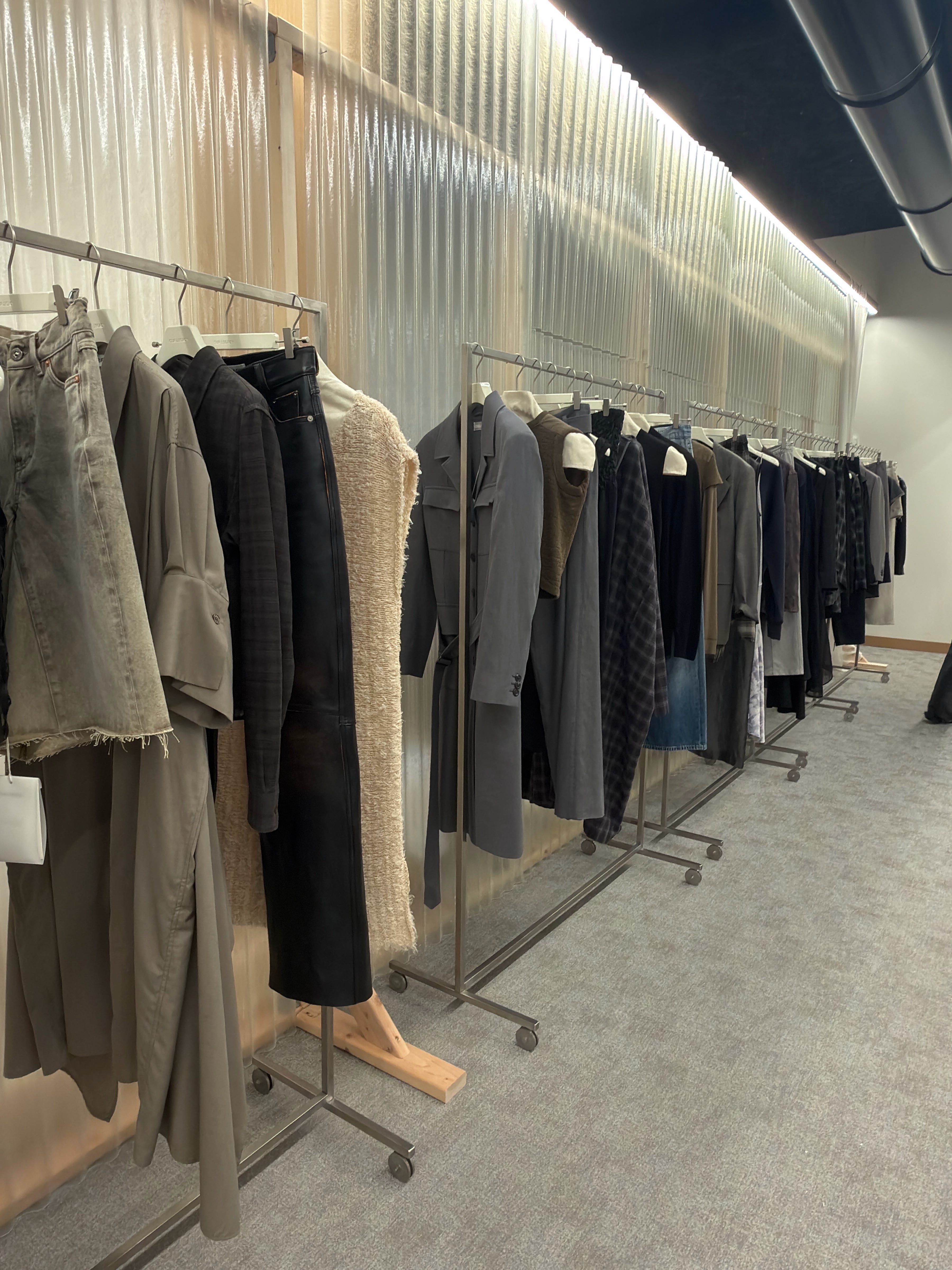
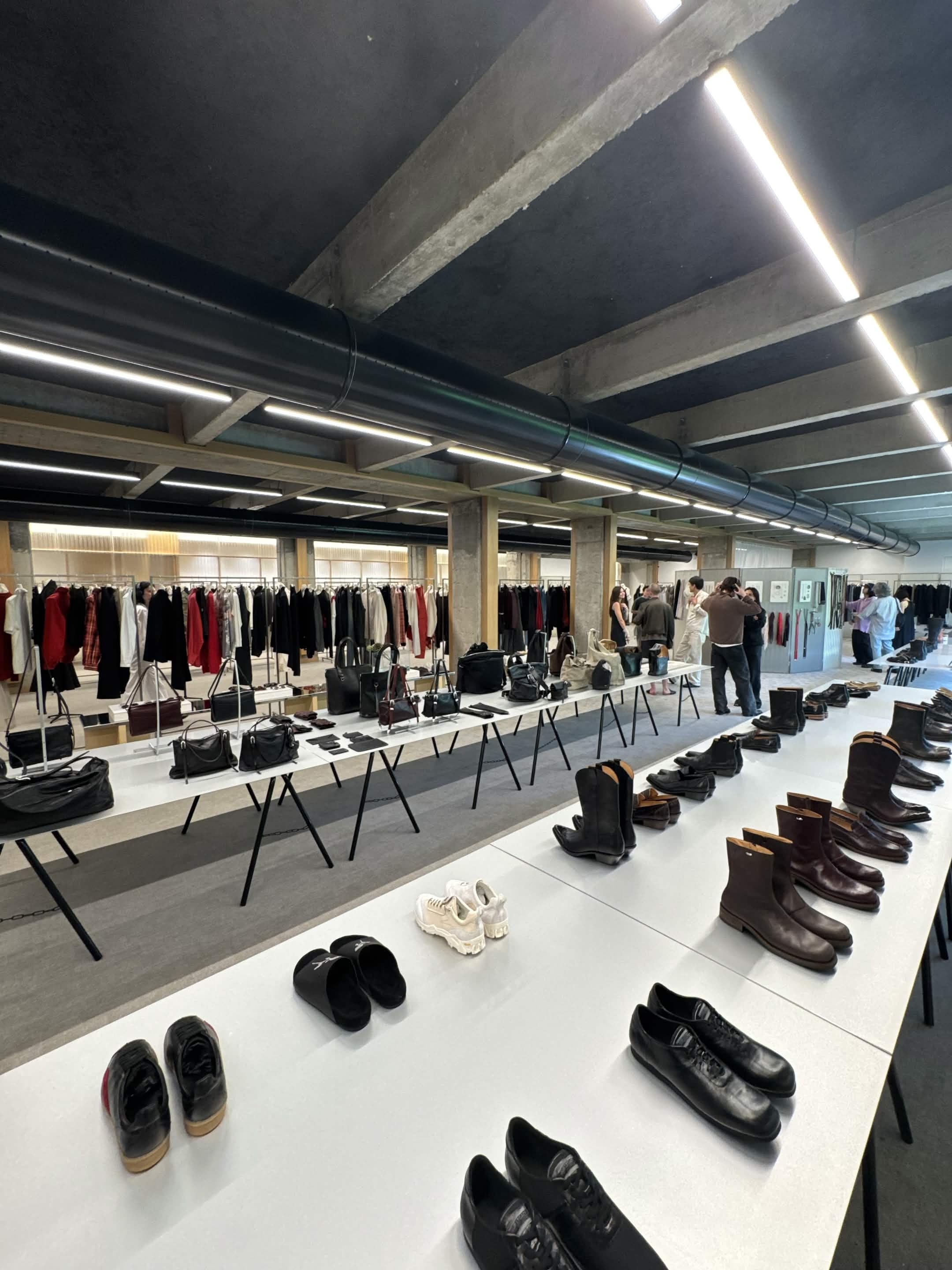
Our Legacy’s S/S ‘27 collection explores a cherry-picked blend of British subcultural codes from various groups since the 1950s. The collection’s showroom is soundtracked by a tape recording by director and DJ Don Letts, who experienced many of these subcultural movements firsthand. At the showroom, ARCHIVE.pdf sat down with Our Legacy creative director Cristopher Nying to discuss the collection’s themes, his research process, and the value of having a perspective from someone on the outside.
This interview has been edited for length and clarity.
Chris Ziebert: I think it’s a nice starting point, since we were just talking about the recording, what the working process was like on that recording and what prompted you to want to have somebody else look at what you’re doing in this collection in that way.
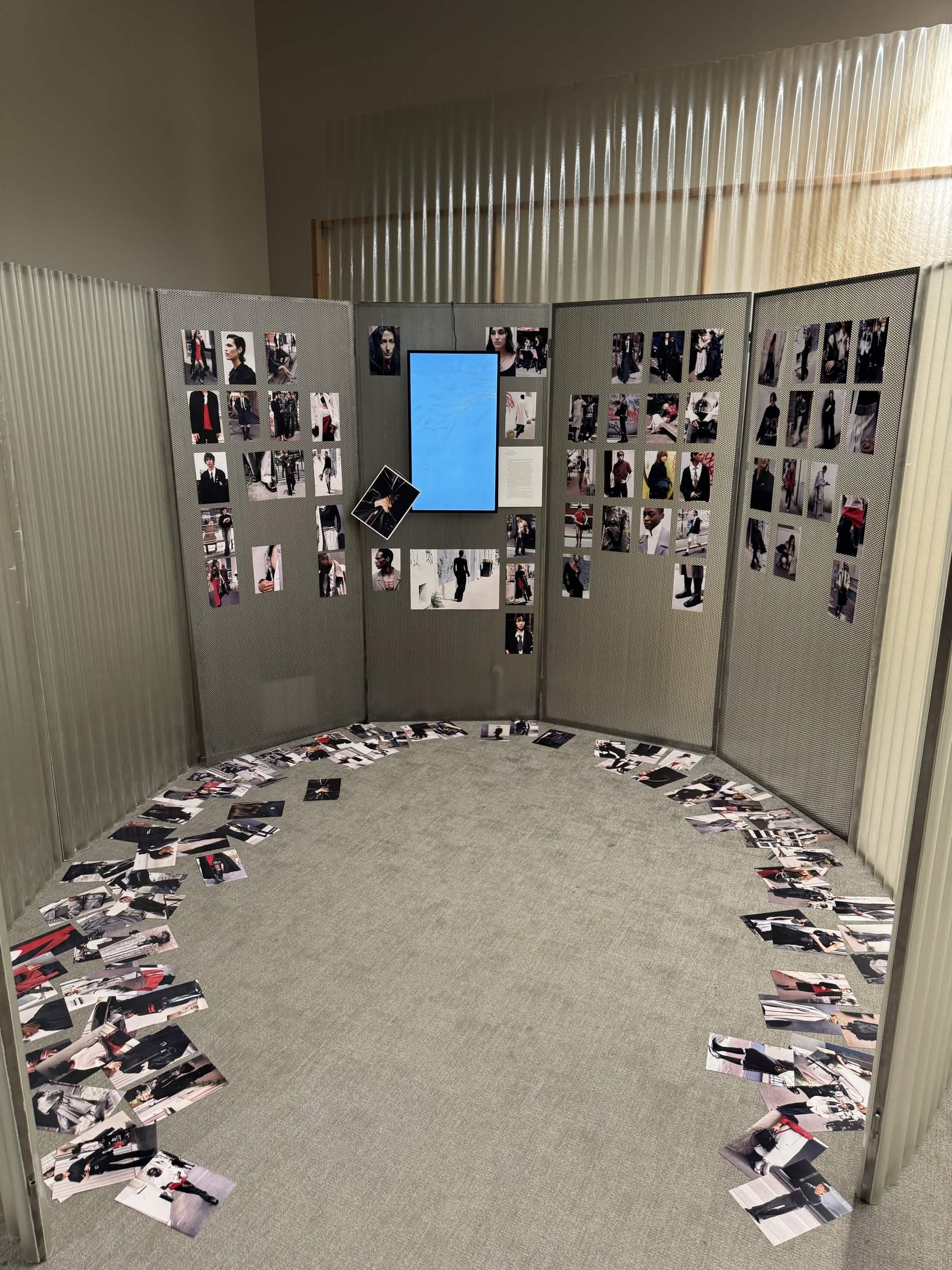
Cristopher Nying: This was an old idea. Sometimes it’s nice to just talk to someone that is familiar with the subject and try to get some thoughts out of that. For example, with him [Don Letts], I didn’t realize I was cherry-picking. And he told me, “You are cherry-picking.” You know, the red, and the reggae, and he was like “This is very complicated,” but not for me, because for me, it’s just fragments. I didn’t really realize it was cherry-picking, but I really like how he drew attention to that, whether it’s negative or positive. So I guess some ideas come from that. Some ideas might not be, you know, well thought out. They’re just there. Maybe he can point out what it was, and make it clear for myself.
CZ: Do you feel like those realizations have influenced your process?
CN: Not really in that sense, because in the process, I don’t like to know too much. For example, I didn’t realize [the connection], he said New Romantics– and for me it was always leading from Edwardian or Victorian style. But he pointed it out, and if I knew it was New Romantic in the process, maybe I would go too much New Romantic, and the influences get too clear. To me, it’s nice when the references or influences are not too clear. Does that make sense? Just allow their failures.
CZ: But then we also have an example of a reference point that’s a bit more clear because of this Fred Perry collaboration. Did you consciously conceive of that as part of this subcultural homage?
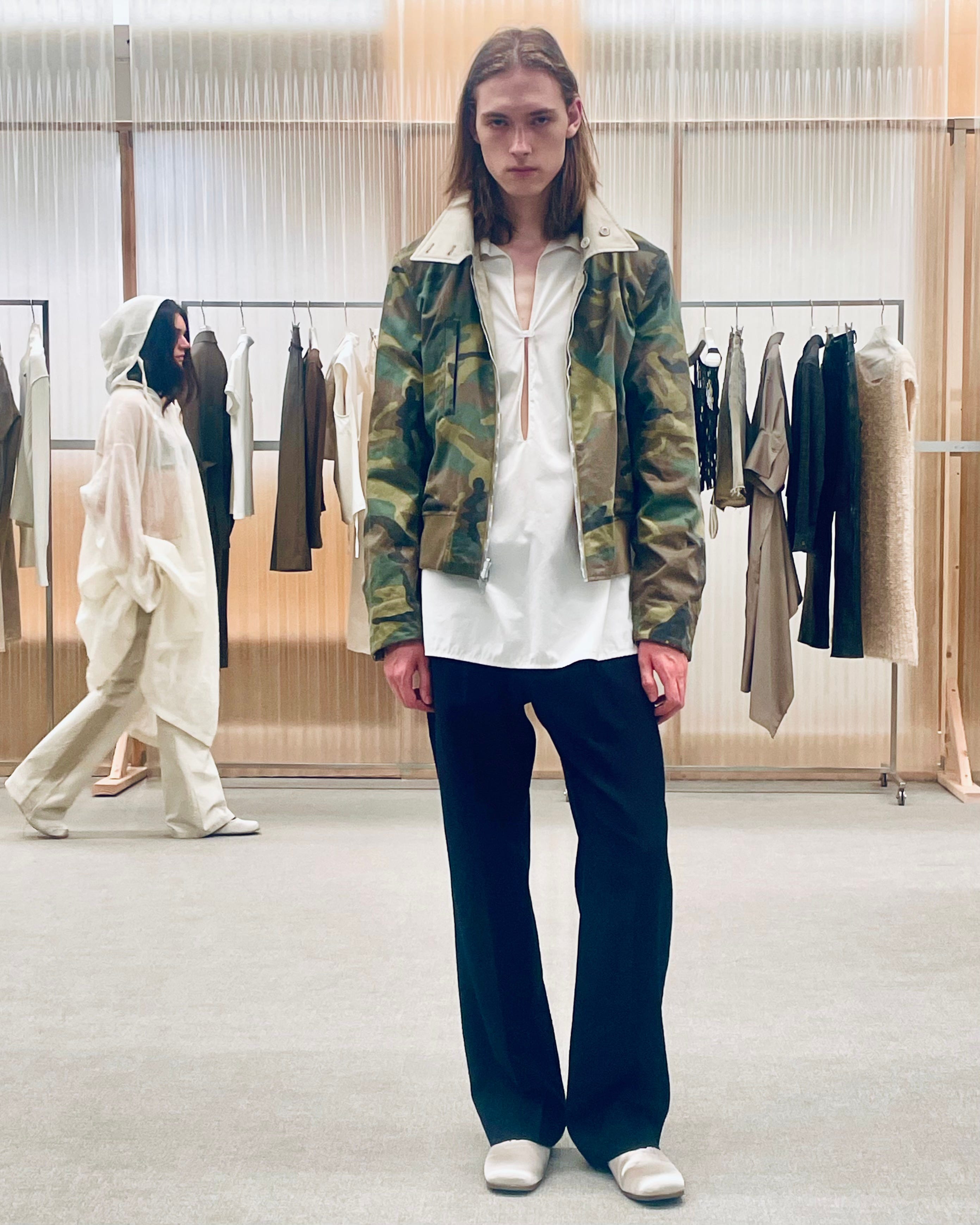
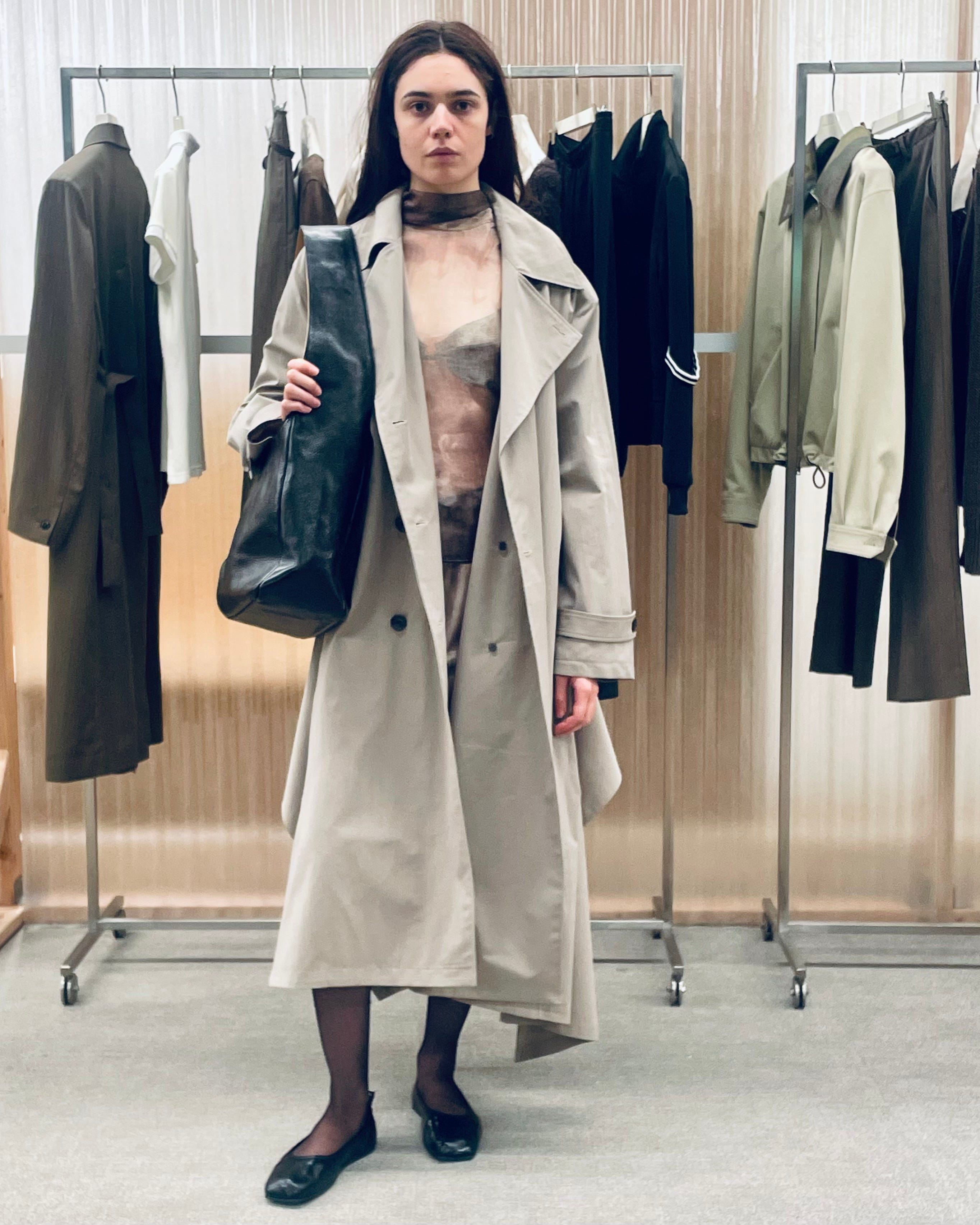
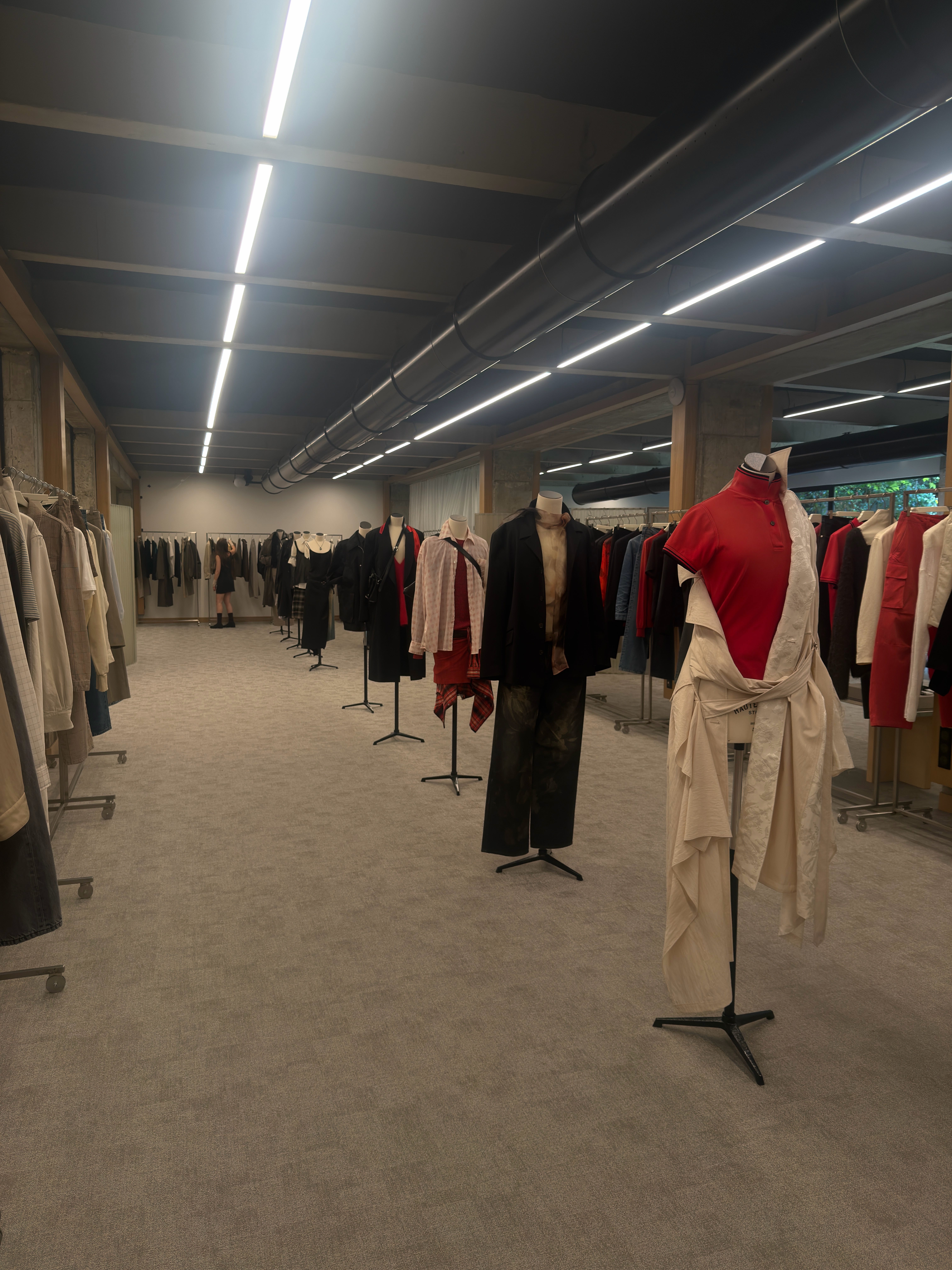
CN: Yeah, this was also not a proper collaboration, it’s just an infiltration. We’re never going to have Our Legacy x Fred Perry. So my idea was, it was the Casuals, early 2000s, they looked like skinheads and they wore bomber jackets, and they started to reverse the jackets when they were chased by the cops. It was quite a big thing, to reverse the jackets, and then the Casuals started to wear Burberry to look smart. And, to me, this type of elevation of something is, like with Fred Perry, you have the two stripes, and I want just a pinch of it. You see it a bit on the trench coat, maybe. You have a laurel somewhere. I was in London recently, and I bought some trashed Fred Perry polos. So we tried to replicate that moment.
CZ: I’m thinking about the concluding remarks from the recording, about how individuality now is about taking a point of view and creating a meaning from these things that we all have access to. What kinds of meanings do you think are made by the subcultural cherry picking that you’re doing in this collection?
CN: I hope, when you do this, and you take out some certain elements, and you do it in your own way, it’s going to do something else than this collection. From this collection, as a whole, I’m not interested in having a kit uniform – I love when people mix our stuff. I think that’s always gonna be the best look. But the meanings, though, that’s hard. Because, for example, in this discussion we have with Don Letts he says “All the subcultures stop in 2010.” I don’t think it’s like that, really. It’s just faster and quicker, but when you are in a subculture, you don’t really realize it. It grows for a long time. Now when it’s quicker tempo, we don’t really see that in a decade. Now it’s like 100 decades in a decade. So they don’t maybe stick around that long.
CZ: To pivot a little bit, I’m also wondering what your research process was like when you’re thinking about all of these subcultures, whether that research process was something that was happening through objects, through garments, or through stories? Obviously you have the tape with Don Letts, who is a very powerful primary source, but I’m wondering how you’re trying to engage with these subcultures, whether it’s through specific reference garments, or through specific printed material. What was the research process like when you were thinking about this?
CN: To me, it’s always from experiences, or a moment. I need to experience something. I did a collection, “1915,” trying to make a matador collection. I never saw a bullfighter, I never met a matador, never had been to Paloma in Spain, but in the middle of the season, I had to say “No, no, this doesn’t work.” So all the inspiration we normally have is experienced or seen. I don’t want to force it that much. It’s also maybe a reaction to what you do — to what you missed the season before, sometimes. Sometimes time will remember, you know. I had that tape at home, and I was starting to collect these tapes again, and Robin and Felice said “Maybe you should do a tape, then.” And that is how it came about, because people in the UK, and Sweden, are obsessed with tapes. So this was kind of my first trip to London, and again it was fragments, but I still have these fragments with me. I bought some vintage stuff, like an old sweatshirt and denim, which I kind of have in the collection. A lot of red – both royal red, and bus stop red.
CZ: I think, as a sort of concluding question, we’re thinking about these subcultural histories that you’re drawing on. As a creative in the 21st century, looking backwards, how do you understand your role as a sort of steward of these histories?
CN: I didn’t think about it. We just try to print some stuff, try to keep some stuff. We try to, at least. For me, I used to work with publishing a bit, and I did everything from the layout to packaging, and so I think this kind of media seems very important. I hope it reflects the process we do. They become a conception; with Fred Perry, I like that I reference the Casuals to them. Because for the Casuals, that transformation was to cover themselves to get into the games – to look smart. And to me, I think Fred Perry is that. In our collection, we also do the trench coats, an original, classic English military garment, and we try to mix it with some upholstery fabrics. Classic chair fabrics, a bit royalistic, but still have the edge of raw fringes. I don’t know if it makes sense, but… I’m not a cynic, about how anyone will respond to it, because everyone doesn’t have the same experience, right? So, I don’t think if it will work or not work. Sometimes you’re less good at explaining, and sometimes you’re better at explaining. Maybe this time we are better at explaining.
We also have a very royalistic country with the Royal House. The British are also doing it, but they have also gone against it several times, because the hierarchy is different in the UK — from what I can see from the outside. For me it’s definitely very interesting, since the beginning — this was before we started making clothing.
CZ: I think there’s, like you say, contradiction between the monarchism and the anti-monarchism, and there’s contradiction in the juxtaposition of these different subcultures next to each other, and it feels like this collection is… not a resolving of the contradiction, but an maybe an unraveling. Which is a very appropriate way to put this history together.